Sports Mouthguard
A sports mouthguard is a protective device worn during physical activity to shield the teeth, jaw, and soft tissues from injury. It’s necessary for children who play contact sports like football, basketball, or even skateboarding, as accidents can happen unexpectedly. The benefit is clear, it can prevent chipped, broken, or even knocked-out teeth, saving a child from pain and emergency dental work. Without one, a single fall or collision could result in serious trauma that may require long-term treatment or permanent dental damage.
Fluoride Treatment plays a powerful role
Fluoride is a naturally occurring mineral that helps strengthen tooth enamel and make it more resistant to decay. It’s particularly necessary for children as their teeth are still developing and more prone to cavities. The major advantage is that it provides an added layer of protection against acids and sugars that cause decay. Without fluoride, enamel may weaken over time, leading to increased risk of cavities and more frequent dental procedures.
Pediatric Cleaning and Checkups
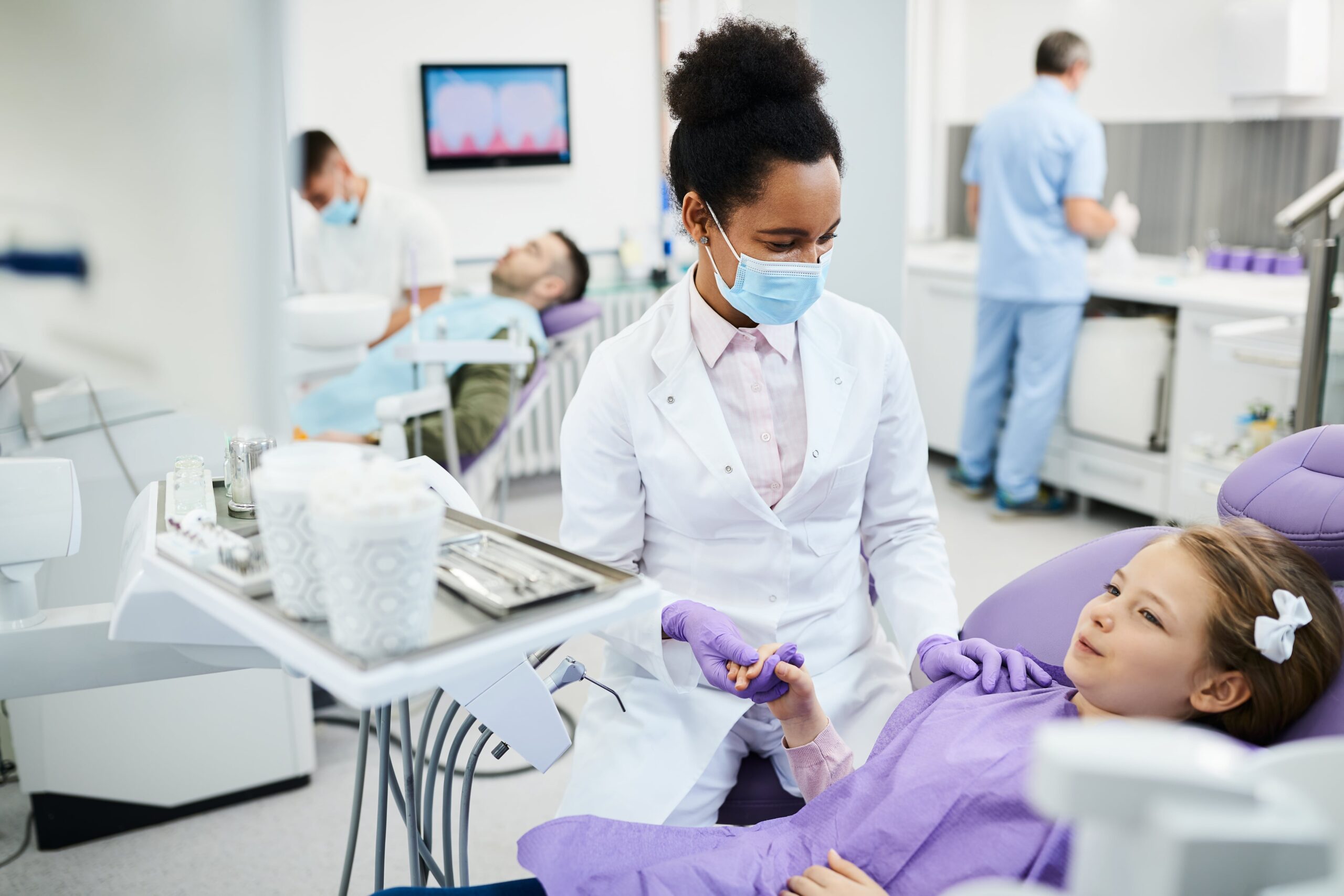
These regular visits are more than just cleanings—they’re essential for tracking oral development, removing plaque, and spotting problems early. Routine checkups are necessary to build good dental habits and catch issues like small cavities before they grow. The advantages include keeping baby teeth healthy (which affects speech and chewing), and making dental visits a normal, stress-free experience. Without regular cleanings, plaque and tartar can build up, leading to gingivitis, cavities, or even early tooth loss.
Growth and Development Monitoring helps guide a child’s long-term oral health
This involves tracking how teeth are erupting, how the bite is forming, and whether orthodontic concerns may arise. It’s necessary because early detection of issues like misaligned bites or crowding allows for timely intervention. The advantage is that a child may avoid more complex and costly orthodontic treatments later. If left unchecked, these growth issues can lead to speech problems, jaw pain, or permanent alignment problems that affect adult teeth.
As we continue building defense, Preventative Dental Sealants are another valuable tool
Sealants are thin, protective coatings applied to the chewing surfaces of back teeth to prevent cavities. They are especially necessary for children who may struggle to brush molars thoroughly. The main benefit is that they block out food particles and bacteria in hard-to-clean grooves. Without sealants, these teeth are more vulnerable to decay, which often leads to fillings or even early tooth loss.
Habit and Nutritional Counseling rounds out a comprehensive pediatric dental plan
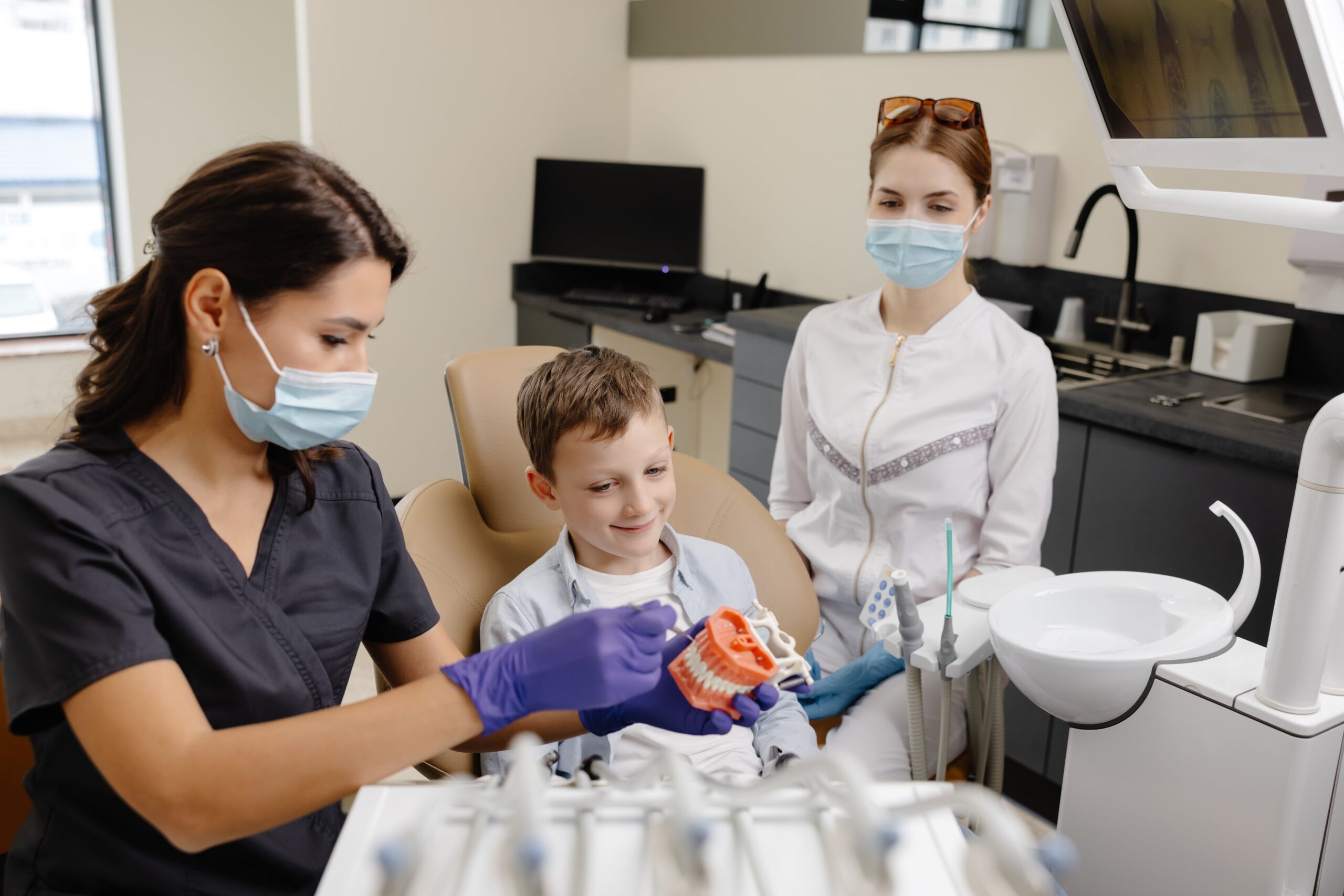
This involves guiding children and parents on healthy oral habits—like brushing technique, thumb sucking prevention, and diet choices that support strong teeth. It’s necessary because early behaviors can set the tone for a child’s future oral health. The advantage is a well-informed family that understands how to protect teeth naturally every day. Without proper guidance, children may unknowingly develop habits that increase their risk for decay, misalignment, and other preventable dental issues.