Comprehensive Oral Screening
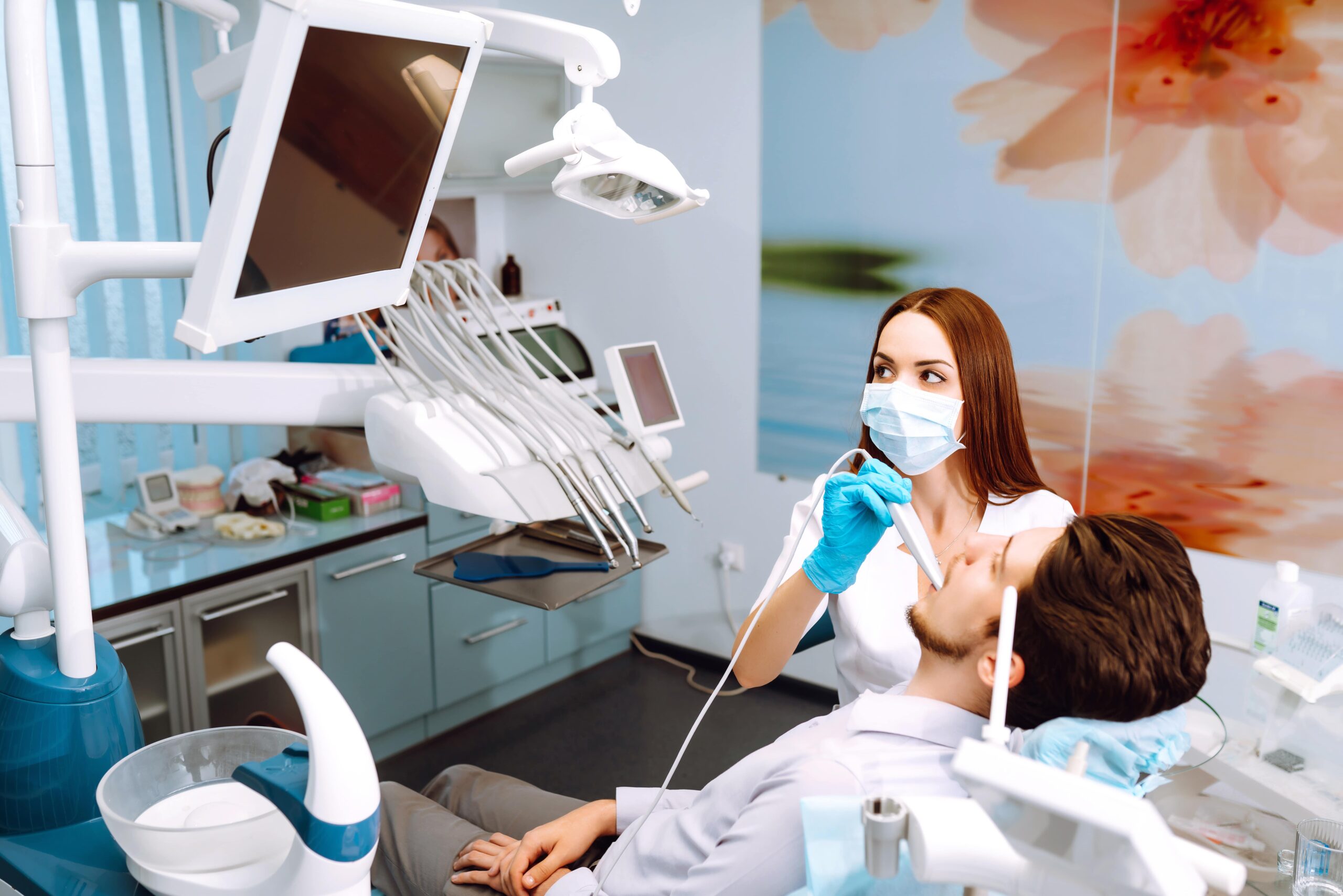
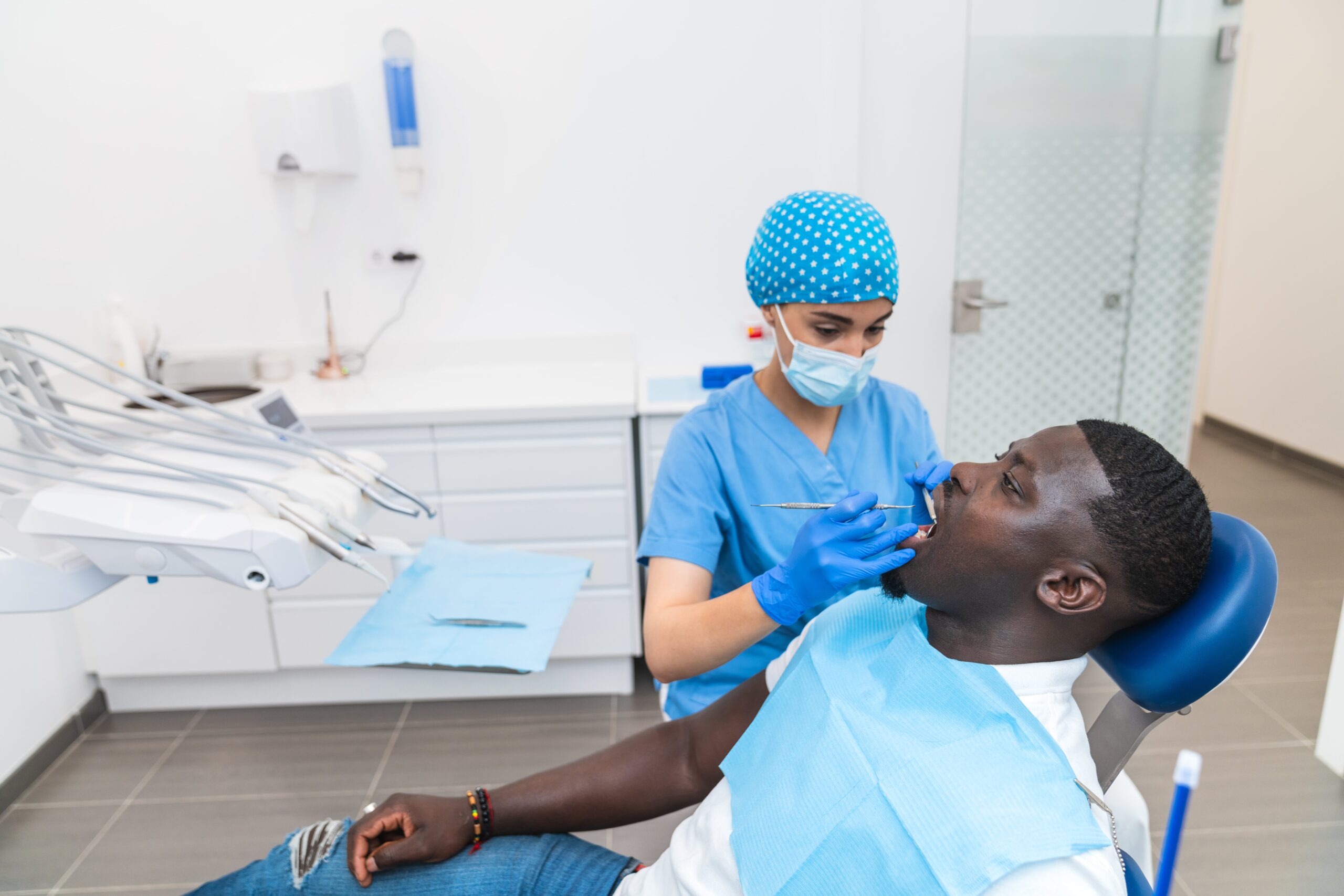
A comprehensive oral screening is the foundation of preventive dental care. It’s a full-mouth evaluation where the dentist examines your teeth, gums, jaw, and soft tissues to detect early signs of decay, gum disease, bite problems, and even conditions like TMJ disorders. This type of exam is necessary because it gives your dentist a complete picture of your oral health and can identify issues long before symptoms appear. The advantage is peace of mind and a clear roadmap for treatment, if needed. Without regular screenings, small problems can go unnoticed until they become painful, costly, or more difficult to treat.
Airway Screening are now part of dental exams
It helps identify signs of restricted breathing that may lead to clenching, grinding, or disrupted sleep. These issues often go unnoticed but can wear down teeth, cause jaw pain, and affect overall health. Early airway screening allows us to detect potential problems related to sleep-disordered breathing or airway obstruction. Without it, patients may continue to suffer from fatigue, headaches, and dental damage without understanding the cause. By including airway checks in regular exams, we support not just your oral health, but your whole-body wellness.
In addition to routine evaluations, Oral Cancer Screening plays a critical role
This quick, non-invasive exam checks for abnormal tissue, sores, or discoloration in the mouth, throat, tongue, and lips—areas where oral cancer can silently develop. It’s especially necessary for people who smoke, drink alcohol regularly, or have a family history of cancer, though anyone can benefit from early detection. The main advantage of oral cancer screening is that it can literally be life-saving when signs are caught early. On the other hand, skipping this simple check could mean that cancerous changes go undetected until it’s too late for less invasive treatments.
Equally important are regular Dental Cleanings
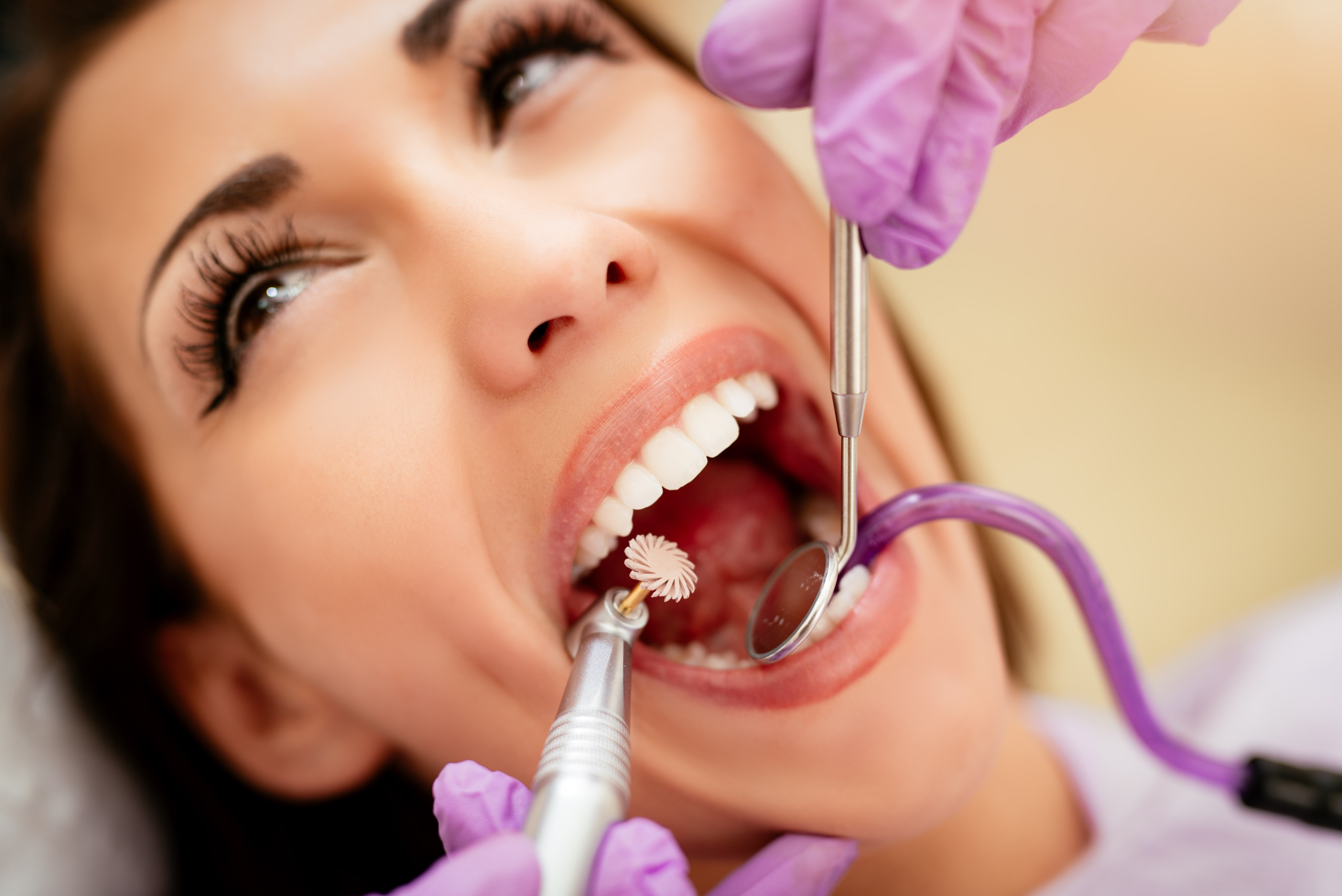
Even with good brushing and flossing habits, plaque and tartar can still build up in places your toothbrush cannot reach. Professional cleanings remove this buildup, helping to prevent cavities, gum disease, and bad breath. They are necessary because they not only maintain oral health but also give the hygienist a chance to monitor subtle changes over time. The advantage? A cleaner, brighter smile and reduced risk of costly dental work later. If neglected, plaque hardens into tartar and begins to irritate the gums, leading to inflammation, bleeding, and eventually deeper problems.
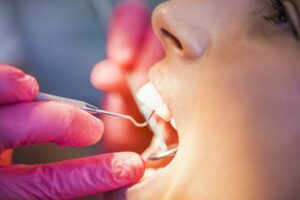
Periodontal Treatment becomes essential when gum health is at risk
Periodontal treatment is focused on treating gum disease from early-stage gingivitis to advanced periodontitis. This care becomes necessary when gums become inflamed, bleed easily, or begin to recede. The advantages include preventing tooth loss, preserving jawbone health, and improving overall wellness (since gum disease is linked to heart and systemic health). If left untreated, gum disease can quietly destroy the support structure of your teeth, leading to loose teeth, infections, and even tooth loss.
Bacteria from infected gums can enter the bloodstream and attach to vulnerable areas in the heart, potentially causing serious inflammation and infections like endocarditis.
When gum disease becomes chronic, it keeps the body in a long-term inflammatory state. This ongoing inflammation can harden the arteries and promote plaque buildup, which may elevate blood pressure and heighten the risk of cardiovascular problems.
Important takeaways:
Oral bacteria may affect heart valve function.
Gum infections contribute to widespread inflammation.
Inflammation can damage blood vessels and lead to dangerous clots or blockages.